Editorial Staff at Ochidoz Ltd is a team of experts led by Chidozie Dilibe with over 16 years of experience in Website Development, Web Hosting, eCommerce, SEO, CAC Registration and Digital Marketing and Services. Started in 2010, Ochidoz.com is now the #1 Smart SME Centre site on the Digital Space.
Chukwuma started “Chuk’s Kitchen” with a simple food truck in Lagos, serving his grandmother’s secret jollof rice recipe. The business grew quickly, and soon, his unique logo—a grinning chef hat with a steaming plate of rice—became a familiar sight. His lawyer, a good friend, advised him to trademark his name and logo, but Chukwuma dismissed the idea. “Who’d want to copy a small food truck business?” he’d say. “Besides, it’s just a name and a hat. The jollof is what matters.”
After five years of hard work, Chukwuma had built a successful restaurant chain with five branches and a loyal customer base. However, his success caught the attention of a larger corporation, “Global Foods Inc.” This company, seeing the popularity of Chukw’s Kitchen, decided to launch its own jollof rice product line. Instead of creating a new brand, they registered “Chuk’s Delights” with a logo strikingly similar to his—a chef’s hat with a slightly different plate.
The launch of “Chuk’s Delights” caused immediate confusion. Customers complained that the new jollof rice wasn’t the same. Chukwuma’s phone started ringing with calls from frustrated clients and suppliers, believing he had sold out or changed his recipe. He contacted his lawyer, ready to sue for infringement. That’s when he learned the harsh truth: because he never registered his trademark, he had no legal right to his brand. Global Foods Inc., having registered “Chuk’s Delights” first, legally owned the similar name and logo. They sent a cease-and-desist letter, threatening to sue him for using a brand name too similar to theirs.
Chukwuma was forced to rebrand his entire business. He had to change his restaurant name, logo, packaging, and even his social media handles. This wasn’t just a simple name change; it was a devastating blow to his brand identity, customer loyalty, and business reputation. The cost of rebranding, lost sales due to customer confusion, and the emotional toll were immense. He had to start over, rebuilding from scratch.
This story highlights the critical importance of trademark registration. A trademark legally protects your brand identity, including names, logos, slogans, and designs. By registering it, you establish exclusive rights to use that mark in connection with your goods or services. This provides legal recourse against anyone who tries to copy your brand, preventing customer confusion and protecting your business’s goodwill. For Chukwuma, a simple registration would’ve saved his business from a catastrophic and costly ordeal. It’s a crucial step for any business, no matter how small, to secure its intellectual property and future.
Ochidoz Ltd can handle your Trademark registration professionally. Click here to send us a WhatsApp chat or give us a call at +2349061182744.
When you hear “Special Control Unit on Money Laundering” (SCUML), the first thought that comes to mind is often a mix of complex government regulations, compliance headaches, and anti-money laundering laws. While these are certainly at the core of SCUML’s mandate, viewing it as just another compliance hurdle is a mistake. For corporate entities in Nigeria, SCUML registration is more than a legal obligation; it is a strategic step that unlocks significant business advantages, builds trust, and secures your company’s future.
Beyond merely avoiding penalties, a SCUML certificate is a powerful tool for establishing credibility and professional legitimacy. It signals to partners, clients, and financial institutions that your business operates with a high degree of transparency and integrity. In a world where financial crime is a major concern, having this stamp of approval distinguishes your company from less scrupulous entities and opens doors to new opportunities.
1. Enhanced Access to Financial Services
For Designated Non-Financial Institutions and Professionals (DNFIs) in Nigeria, SCUML registration is a prerequisite for a wide range of essential financial services. Banks, for instance, are legally required to demand a valid SCUML certificate before they can provide services to businesses that fall under its purview, such as real estate, hospitality, legal practices, and jewelry dealers. Without this certificate, your business will struggle to open a corporate bank account, access loans, or even process large transactions.
Practical Illustration: Imagine a budding real estate firm, “Grandview Properties,” which secures a multi-million-naira deal to sell a prime property. To complete the transaction, the buyer needs to transfer the funds to the company’s corporate bank account. However, Grandview Properties hasn’t registered with SCUML. When the firm’s director visits their bank to set up the account, they are denied because they cannot provide a SCUML certificate. This leads to a significant delay, potential loss of the deal, and a major setback for the business. The bank, in this case, is simply complying with its own legal obligations. By proactively getting SCUML registration, Grandview Properties would have avoided this critical roadblock and finalized the deal seamlessly.
2. Building Investor and Client Confidence
In today’s business environment, a company’s reputation is one of its most valuable assets. SCUML registration serves as a public declaration that your business is committed to ethical practices and is not a vehicle for illicit financial activities. This creates a strong foundation of trust with both local and international clients and investors. When potential partners are conducting due diligence, a valid SCUML certificate is a clear indicator that your business operates within legal and regulatory frameworks, making you a more attractive and reliable partner.
Practical Illustration: “Prestige Diamonds,” a luxury jewelry retailer, is seeking foreign investment to expand its operations. A major investment firm from Europe is interested but is wary of Nigeria’s reputation for financial crime. During their due diligence, the firm’s legal team finds that Prestige Diamonds is not only duly registered with the Corporate Affairs Commission (CAC) but also has a valid SCUML certificate. This registration, along with their transparent financial records, gives the investors the confidence they need to move forward. The SCUML certificate acts as a “seal of approval,” assuring the investors that the company has passed a critical integrity check, significantly derisking their potential investment.
3. Facilitating International Partnerships
For businesses aiming to engage in cross-border trade or attract international clients, SCUML compliance is often non-negotiable. International partners, especially from countries with strict anti-money laundering (AML) and counter-terrorist financing (CTF) laws, will conduct their own checks. They will be more willing to enter into agreements with a Nigerian company that can demonstrate its commitment to global standards of financial transparency.
Practical Illustration: A Nigerian law firm, “Lex Forte & Associates,” specializes in corporate law and is looking to partner with a reputable American firm to handle joint international cases. The American firm conducts a background check on Lex Forte. They find that the Nigerian firm is not only well-regarded but also fully compliant with all domestic regulatory bodies, including SCUML. The American firm’s compliance officer views this as a significant positive, as it simplifies their own due diligence process and assures them that they are not partnering with a firm that could expose them to legal or reputational risks. The SCUML registration becomes a key selling point for Lex Forte & Associates, helping them secure a lucrative international partnership.
4. Protecting Your Business from Illicit Activities
Finally, SCUML registration and the reporting it entails serve as a protective layer for your business itself. By being part of the system, your company is better equipped to identify and report suspicious transactions, protecting it from being used unknowingly as a conduit for money laundering or other criminal activities. This proactive approach safeguards your company’s reputation, prevents legal entanglements, and ensures a secure operational environment. The training and guidelines provided by SCUML help business owners and their staff develop a keen eye for red flags, making them a crucial part of the national and global fight against financial crime.
In conclusion, while SCUML was established to combat money laundering and terrorist financing, its benefits for a compliant business go much deeper. It’s not just about ticking a box; it’s about strategically positioning your business for growth, building unshakable trust, and securing your place as a respected player in the national and international markets. For any corporate entity serious about long-term success, SCUML registration is an indispensable asset.
Ochidoz Ltd can handle your SCUML registration professionally. Click here to send us a WhatsApp chat or give us a call at +2349061182744.
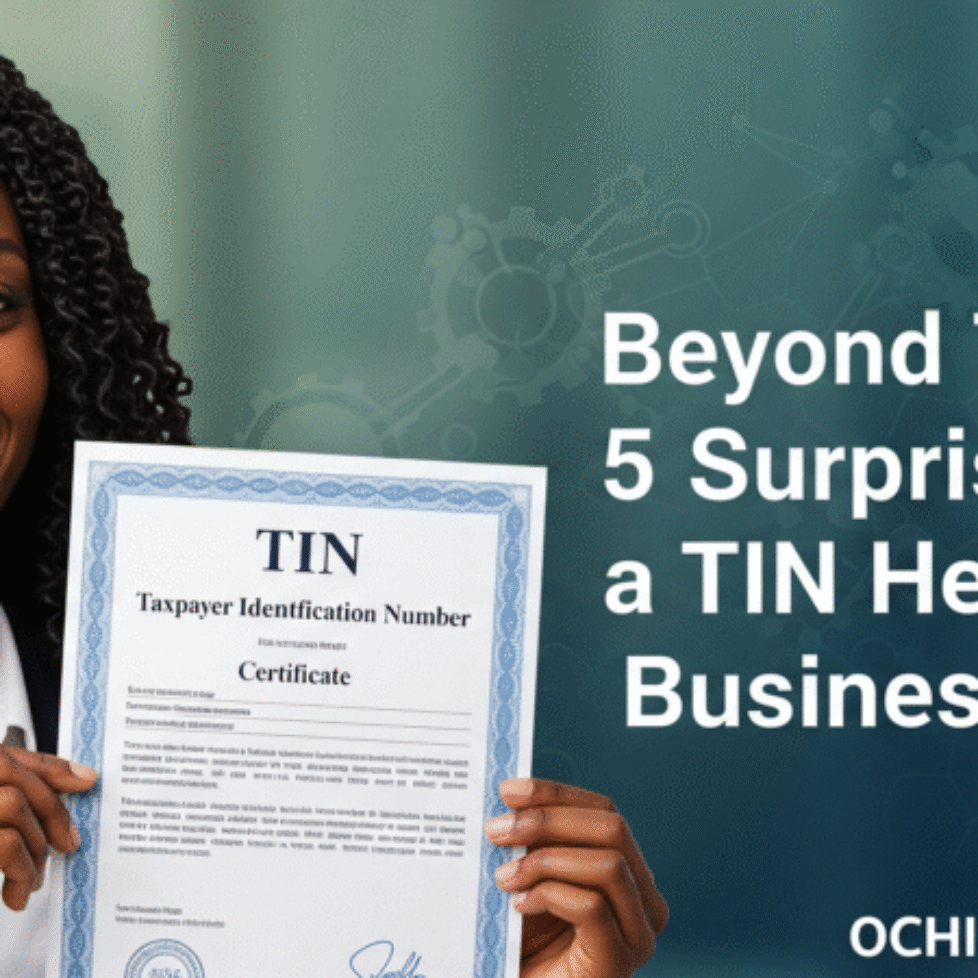
When you hear “Taxpayer Identification Number” (TIN), your mind likely jumps straight to, well, taxes. And you wouldn’t be wrong. The primary and most obvious function of a TIN –is indeed to identify you or your entity for tax purposes. It’s the unique handshake your business makes with the IRS, facilitating everything from filing returns to paying payroll taxes.
However, to view the TIN purely through the lens of tax compliance is to miss a significant portion of its value. This seemingly mundane ten-digit number is far more than just a fiscal identifier; it’s a foundational element that underpins numerous critical aspects of your business operations and, surprisingly, fuels its potential for success in ways you might not immediately consider. Let’s delve into five surprising ways a TIN helps your business thrive, offering practical illustrations along the way.
Establishing Business Credibility and Legality
Imagine trying to open a business bank account or apply for a loan without a formal identity. It would be nearly impossible. Your TIN acts as your business’s official birth certificate, National Identity Number (NIN) and a critical marker of its legal existence. For corporations, LLCs, and partnerships, an TIN is mandatory, signaling to the world that you are a legitimate, recognized entity. This credibility is invaluable.
Practical Illustration: Sarah starts an online boutique selling handmade jewelry. Initially, she operates under her personal name. As her business grows, she decides to form an LLC to protect her personal assets. The first step she takes after forming the LLC is to apply for TIN. With the TIN, she can open a dedicated business checking account, distinguishing her personal finances from the business’s. When a potential wholesale buyer asks for her business credentials, providing TIN demonstrates professionalism and trustworthiness, indicating she’s not just a hobbyist but a serious business owner. This small number instantly elevates her perceived reliability in the marketplace.
Streamlining Vendor Relationships and Supply Chains
For any business, a robust network of suppliers and vendors is essential. Whether you’re purchasing raw materials, office supplies, or specialized services, these relationships require a level of formalization. Your TIN plays a crucial role in making these interactions smooth and compliant. Vendors often require a W-9 form from their clients, which includes your TIN, for their own tax reporting purposes (specifically, issuing 1099 forms). Without a TIN, many established vendors might be hesitant to work with you.
Practical Illustration: Mark owns a small coffee shop and needs to source high-quality beans, milk, and bakery items from various distributors. Each distributor, upon setting up an account, requests Mark’s business’s TIN. This allows them to properly record the transactions for their tax records and simplifies the invoicing process. If Mark didn’t have an TIN, these distributors would either decline to work with him or face significant administrative hurdles in accurately reporting income received from an individual versus a business entity. The TIN facilitates a seamless, professional exchange, ensuring Mark can consistently get the supplies he needs to keep his coffee shop running.
Accessing Business Financing and Credit
This is where the “beyond taxes” aspect truly shines. Banks and other financial institutions almost exclusively require  TIN to process loan applications, lines of credit, or even basic business credit cards. A TIN allows them to identify your business, assess its creditworthiness independently of your personal credit, and report your business’s financial activity to credit bureaus. Building business credit is paramount for future growth, enabling larger investments and better interest rates.
Practical Illustration: A year into running her successful graphic design studio, Emily decides she needs a substantial loan to invest in new, high-end design software and hire an assistant. She approaches her bank, armed with her business plan. The first thing the loan officer asks for, after reviewing her financials, is her TIN. The bank then uses this TIN to check her business’s credit history and verify its legal standing. Because Emily obtained TIN early on, she has been building business credit, separate from her personal credit. This allows her to qualify for a business loan with favorable terms, which she wouldn’t have been able to secure if her business was still operating solely under her name.
Simplifying Employee Management and Payroll
If your business plans to grow by hiring employees, a TIN is non-negotiable. A TIN is essential for all payroll-related activities, including withholding federal income tax, Social Security, and Medicare taxes from employee wages, as well as reporting these to the IRS. It allows you to legally employ staff, issue W-2 forms, and participate in employer-sponsored benefits. Without TIN, managing employees legally and efficiently would be an impossible bureaucratic nightmare.
Practical Illustration: David’s landscaping business is booming, and he needs to hire two full-time crew members. Before he can even think about posting job listings, he ensures his business has a TIN. With the TIN, David can register with state unemployment agencies, set up payroll software, and issue W-4 forms to his new hires. This allows him to properly calculate and remit payroll taxes, ensuring he remains compliant with all federal and state employment laws. His employees also benefit from knowing they are working for a legitimate company that handles their taxes correctly, providing them with proper W-2s at year-end.
Professionalizing Your Brand and Facilitating Partnerships
In the business world, perception is reality. Having a dedicated TIN for your business instantly adds a layer of professionalism that operating solely without cannot. It signals to potential partners, investors, and even customers that your business is a serious, distinct entity. This professionalism can open doors to new opportunities, collaborations, and even attract higher-caliber talent.
Practical Illustration: Chris develops a unique mobile app and is looking for a technology partner to help scale it. When he approaches a larger software development firm, they are impressed not only by his innovative idea but also by the fact that he has established his app development as a formal business entity with its own TIN. This tells them Chris is committed, has taken the necessary steps to formalize his venture, and is thinking long-term. This professionalism makes the larger firm more comfortable entering into a joint venture agreement, knowing they are dealing with a distinct business entity rather than an individual whose personal finances might be intertwined.
In conclusion, while the Taxpayer Identification Number might initially appear as just another piece of bureaucratic paperwork, its utility extends far beyond mere tax compliance. It is a cornerstone for establishing credibility, fostering essential business relationships, securing vital financing, enabling growth through employment, and ultimately, professionalizing your brand. For any entrepreneur serious about building a sustainable and successful enterprise, obtaining and utilizing a TIN is not just a requirement, but a strategic imperative. It’s the silent workhorse that continually supports your business’s journey to success.
Ochidoz Ltd can handle your TIN registration and Validation professionally. Click here to send us a WhatsApp chat or give us a call at +2349061182744.
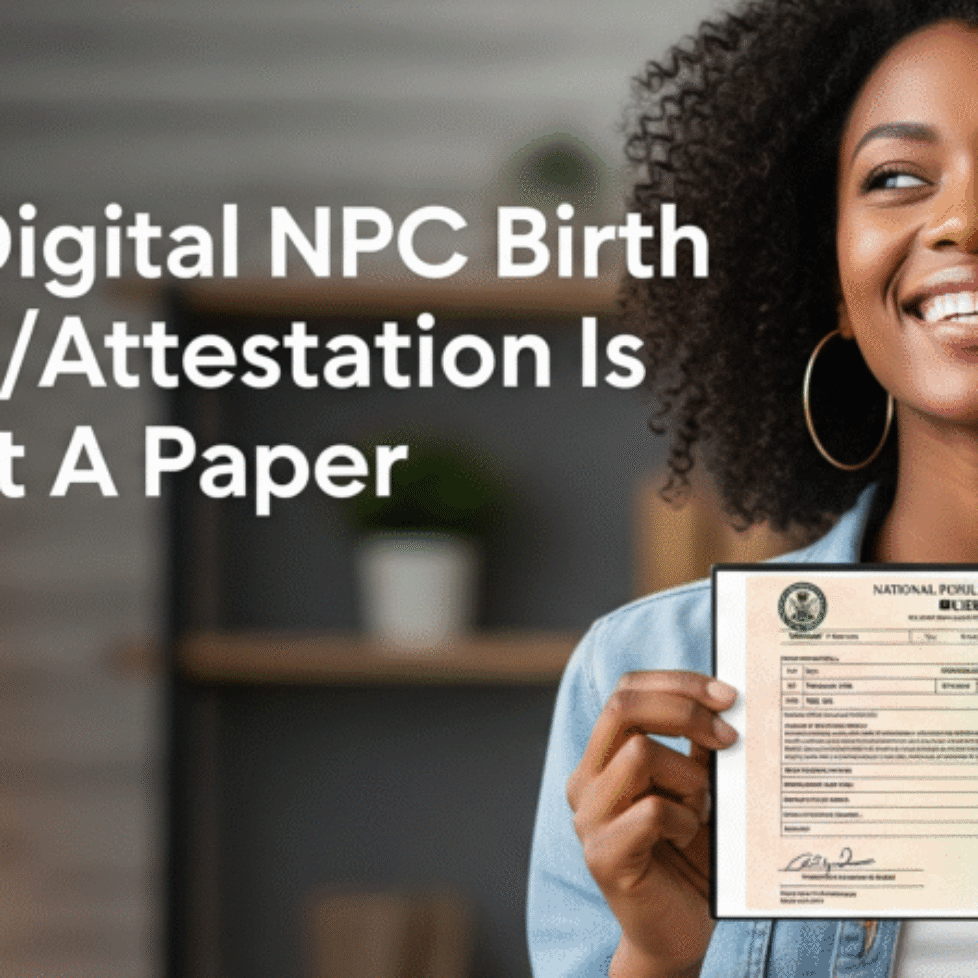
Gone are the days when any document bearing your name and date of birth could pass as a valid birth certificate for official documentation. A seismic shift has occurred in Nigeria’s administrative landscape, and with it, the rules for identity verification have been completely rewritten. Age declaration affidavits and other non-verifiable documents are now a thing of the past in major government offices and for crucial transactions.
This change isn’t about making things harder; it’s about making them more secure and efficient. The National Population Commission (NPC) is now fully digitalized, with a robust database that holds the birth registration details of Nigerian citizens. This transformation means that all government agencies are now required to cross-verify birth and attestation certificates with the NPC’s central database to ensure their validity before acceptance.
The New Standard for Documentation
The single most important word in this new system is “verifiable.” A document is no longer just a piece of paper; it’s a digital key that unlocks access to services. If the reference number on your birth or attestation certificate can’t be verified on the NPC’s system, it is considered invalid, no matter how authentic it looks.
Consider this common scenario: you’re processing a visa or a passport. The embassy or visa office requires an NPC verifiable birth attestation. Why? Because the attestation’s unique reference number can be entered into a system and instantly checked for validity. This simple process prevents the use of forged documents, making the entire system more trustworthy for all parties involved. This same standard now applies to other critical services, such as correcting your date of birth on your National Identity Number (NIN). Without a verifiable NPC attestation, the process cannot move forward.
This is a critical distinction to understand. Certificates issued by the NPC at government hospitals and health centers, while official at the time, often lack the reference numbers required for cross-verification by other government systems, including NIMC. Only the improved, fully digital and verifiable NPC attestation can be confirmed across these platforms.
To truly understand the impact of NPC Birth Certificate/Attestation, let’s look at some practical case studies:
Case Study 1: The Passport Application
Chike, a young professional, is applying for a new passport. He has an old, but seemingly authentic, birth certificate from a local hospital. When he gets to the immigration office, his application is put on hold. The officer explains that his document cannot be verified in their system because it lacks a verifiable reference number linked to the NPC’s digital database. Frustrated, Chike has to go through the process of getting a new, verifiable attestation before he can continue his application, causing significant delays and stress. This is a prime example of why the old way is no longer an option.
Case Study 2: The School Admission
A parent, Mrs. Ade, is trying to secure her child’s admission into a new secondary school. The school’s administrative office requires a verifiable birth certificate as part of its admissions process. Mrs. Ade provides the old paper certificate. The school, using its secure portal, tries to verify the document but is unable to do so. The administration then requests a new, verifiable digital certificate. Mrs. Ade has to reapply for the document, delaying her child’s enrollment. A digital, verifiable certificate would have made the process seamless from the start.
Case Study 3: The Job Application and Financial Services
In today’s corporate world, background checks are standard. A major company is hiring for a sensitive role and needs to verify the identity of a candidate, Tunde. As part of his documentation, Tunde submits his digital, verifiable NPC birth attestation. The company’s HR department, with permission, can quickly cross-reference the document with the NPC database. This immediate verification accelerates the hiring process, builds trust, and helps the company avoid hiring someone with fraudulent credentials. Similarly, for banking services, a verifiable NPC document streamlines the “Know Your Customer” (KYC) process, making it easier and faster for individuals to open new accounts.
Your Walk-Over Solution with Ochidoz Ltd
Navigating this new system can still feel like a challenge. The process of getting an authentic NPC birth or attestation certificate with a verifiable reference number can be tedious, requiring you to understand the new procedures and submit applications correctly. This is where Ochidoz Ltd comes in.
With our years of experience in helping clients process verifiable NPC birth certificates and attestations, we turn a complicated task into a walk-over. We take on the heavy lifting for you, ensuring that your application is submitted correctly and that all National Population Commission (NPC) guidelines are followed meticulously. All you need to do is chat with us on WhatsApp to get started. Other things being equal, we will have your document ready for you within a few hours to a few days. The final PDF will be delivered directly to you via WhatsApp or email, providing you with a soft copy that you can use or print out as a hard copy.
Don’t let outdated documents and complex procedures slow you down. The era of verifiable identity is here, and we are ready to help you embrace it.
Ochidoz Ltd can handle your Digital NPC Birth Certificate/Attestation professionally. Click here to send us a WhatsApp chat or give us a call at +2349061182744
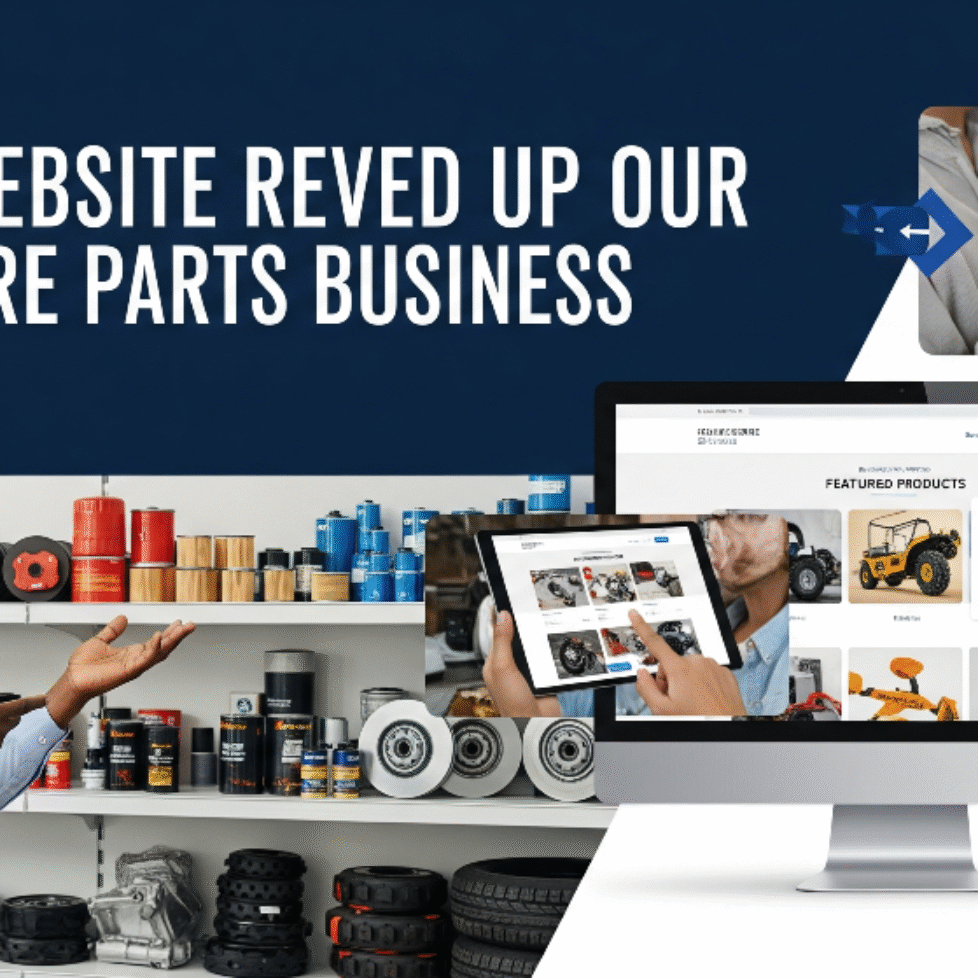
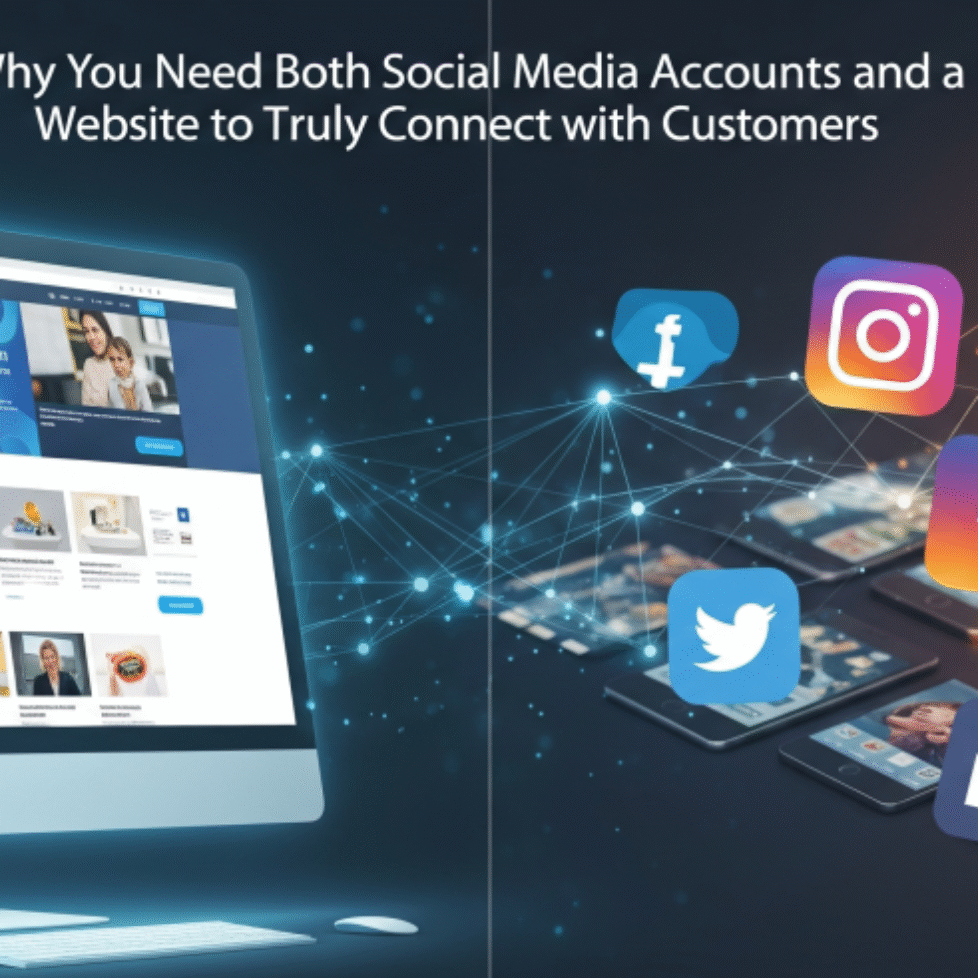
In the bustling digital marketplace, businesses often grapple with the question of where to invest their online efforts. Is it enough to have a vibrant social media presence, or is a dedicated website still a non-negotiable asset? The most effective answer, especially in a dynamic market like Port Harcourt, Rivers, Nigeria, is neither one nor the other, but rather a strategic integration of both.
Â
To truly connect with customers in a comprehensive, sustainable, and credible way, a business needs both robust social media accounts and a professional website working in tandem. Each serves distinct but complementary roles that, when combined, create an unparalleled digital ecosystem for customer engagement.
Initial Discovery and Real-Time Engagement
Social media platforms are undeniably powerful for initial discovery and real-time engagement. Platforms like Facebook, Instagram, and X (formerly Twitter) in Port Harcourt are teeming with potential customers. Many people spend significant portions of their day scrolling through feeds, discovering new businesses, products, and services. For a local fashion designer in Port Harcourt, their Instagram page can be a visual storefront, showcasing their latest designs, behind-the-scenes glimpses, and engaging directly with comments and DMs. This is where they can run targeted ads to reach specific demographics in Rivers State, announce flash sales, or host live sessions demonstrating new products. The immediacy and interactivity of social media are unmatched for building a community, generating hype, and fostering a sense of connection through frequent, informal touchpoints. It’s excellent for driving brand awareness and keeping your brand top-of-mind.
In-Depth Information and A Sense Of Permanence
However, social media’s strength in rapid, short-form interaction becomes its limitation when customers seek in-depth information and a sense of permanence. This is where a website becomes indispensable. Imagine a customer in Port Harcourt discovers that fashion designer’s stunning outfit on Instagram. Their immediate next step might be to learn more about the brand: its story, the fabrics used, pricing details for custom orders, sizing charts, shipping policies, and contact information that isn’t just a DM. A website serves as the ultimate information hub, providing comprehensive details that cannot be crammed into an Instagram caption or a Facebook post. It’s where you can host a detailed “About Us” page that tells your brand’s unique story, a gallery of your full collection, a blog detailing your creative process, and a clear FAQ section. This depth of information builds trust and credibility, transforming initial interest into informed decision-making.
Complete Brand Control And A Professional Identity
Furthermore, a website offers complete brand control and a professional identity. On social media, your brand is presented within the confines of a platform’s template, alongside countless other businesses and personal accounts. Your competitors’ ads might even appear on your own profile. A website, conversely, is your own digital real estate. It allows for bespoke design that perfectly reflects your brand’s aesthetics and values. For a restaurant in Port Harcourt, their Facebook page might showcase daily specials and vibrant food photos, but their website can present a beautifully designed menu, easy online reservation system, professional photography of their ambiance, and customer testimonials prominently displayed. This level of brand customization fosters a stronger sense of professionalism and exclusivity that’s difficult to achieve on a generic social media profile. It communicates that your business is serious and established.
Customer Conversion And Data Ownership
The synergistic power of both social media and a website is also evident in customer conversion and data ownership. While social media can drive traffic and generate leads, a website is typically where the actual conversion—a purchase, a booking, a sign-up—takes place in a streamlined, branded environment. For an online electronics store based in Port Harcourt, social media can be used to announce new product arrivals and create buzz. However, their website is where customers go to browse the full catalog, compare specifications, read detailed reviews, add items to a cart, and complete a secure purchase using various payment options relevant to the Nigerian market. Crucially, a website allows for the integration of robust analytics tools, giving businesses complete ownership and granular insight into customer behavior, traffic sources, and conversion funnels – data that is invaluable for strategic decision-making and optimizing the customer journey.
Resilience And Long-Term Brand Building
Finally, the combination ensures resilience and long-term brand building. Relying solely on social media makes a business vulnerable to platform changes, outages, or even account suspension – scenarios that can be catastrophic. A website acts as an anchor, a stable base that you own and control, immune to the whims of external platforms. Social media campaigns can then drive traffic to your website, where you can capture email addresses for direct marketing, build an audience list, and cultivate lasting customer relationships independent of any single platform. For instance, a local real estate agent in Port Harcourt might use Instagram and Facebook to showcase properties and engage with potential clients. Still, their website would host their full property listings with detailed descriptions, virtual tours, a mortgage calculator, and a clear contact form to capture serious inquiries, ensuring that even if a social media platform evolves or declines, their core business presence remains intact and accessible.
In essence, social media accounts are the loud, engaging party where new connections are made and conversations spark, while a website is the professional office or showroom where deeper relationships are forged, transactions are completed, and comprehensive information is reliably stored. To truly connect with customers in today’s multifaceted digital landscape, businesses in Port Harcourt and beyond need to harness the unique strengths of both, weaving them into a cohesive digital strategy that drives discovery, builds trust, facilitates conversion, and ensures long-term brand growth.
Ochidoz Ltd can handle your website design project and social media management professionally. Click here to send us a WhatsApp chat or give us a call at +2349061182744

In the modern digital landscape, the debate between having a dedicated website versus relying solely on social media is a common one. For many, social media platforms seem to offer a quick, free, and effective way to connect with an audience. They provide an immediate space for engagement, sharing, and brand awareness. However, to mistake a strong social media presence for a robust digital strategy is a critical error. While social media is an invaluable tool for certain functions, a website is the foundational digital hub that provides a level of control, credibility, and functionality that no social media platform can ever match. Here are five critical functions a website performs that social media simply can’t.
1. Complete Ownership and Control
The most fundamental difference between a website and a social media profile is ownership. Your website is your digital property. You own the domain, the design, the content, and all the data it generates. This gives you complete control over every aspect of your online presence. You are not at the mercy of a third-party platform’s ever-changing algorithms, policies, and design layouts. Facebook, Instagram, and Twitter can alter their rules, reduce your organic reach, or even suspend your account without warning, which can be devastating for a business built entirely on their “rented land.”
Practical Illustration: Imagine a small business that has built a loyal following of 100,000 users on a social media platform. They’ve spent years cultivating this community. One day, the platform decides to change its algorithm, drastically reducing the reach of their posts. Suddenly, only a fraction of their followers see their content, and their carefully built connection is severely limited. With a website, however, the business owner retains direct access to their audience through email lists, push notifications, and direct traffic. Their ability to communicate and transact with their customers remains unaffected by external policy changes.
2. E-commerce and Direct Sales
While social media platforms have introduced shopping features, they are often clunky and come with a multitude of limitations. A dedicated e-commerce website, however, is built for one purpose: to provide a seamless and secure shopping experience. It offers full control over product displays, categorization, checkout processes, and customer data. You can integrate advanced features like inventory management, personalized product recommendations, and sophisticated payment gateways, which are not possible on a social media page.
Practical Illustration: A boutique clothing brand wants to sell its new collection. On Instagram, they can post photos with product tags that link to a basic checkout page. The user is still operating within the confines of Instagram’s interface, which can be distracting and less trustworthy for many consumers. In contrast, the brand’s website offers a meticulously designed online store. Customers can browse different collections, use a detailed size chart, add multiple items to a shopping cart, apply a coupon code, and check out securely using their preferred payment method. The entire experience is tailored to the brand’s aesthetic and provides a professional, trustworthy environment for transactions.
3. In-Depth, Long-Form Content
Social media is a platform for snippets and short-form content. A tweet is 280 characters, a TikTok video is a minute or two, and even a Facebook post is most effective when it’s concise. A website, on the other hand, is the ideal home for in-depth, long-form content that establishes your authority and educates your audience. Blog posts, whitepapers, case studies, and detailed service pages allow you to provide comprehensive information that answers complex questions and builds credibility. This content also has a much longer shelf life and contributes to your long-term search engine optimization (SEO) strategy.
Practical Illustration: A financial advisor wants to explain the complexities of retirement planning. They could create a series of short videos on social media, but these are often fleeting and lack the depth needed for such a serious topic. Instead, they write a detailed, 2,000-word blog post on their website titled “A Comprehensive Guide to Retirement Planning.” This article can include charts, links to external resources, and a contact form for booking a consultation. This valuable, evergreen content can be found by people searching on Google for years to come, consistently generating high-quality leads that social media can’t.
4. Enhanced Credibility and Trust
A professional, well-designed website serves as a digital storefront and an immediate indicator of a business’s legitimacy and professionalism. For many consumers, the absence of a website can be a red flag. A website gives you the space to showcase your full story, team members, mission, and vision in an organized and professional manner. Testimonials, portfolios, and certifications can be displayed prominently, building a sense of trust that is harder to convey in the fast-paced, often-informal environment of social media.
Practical Illustration: A freelance graphic designer uses Instagram to showcase their work, which is great for visual appeal. However, a potential client wants to hire them for a large-scale project. The client’s first question will likely be, “Do you have a website?” On their website, the designer can feature a detailed portfolio with case studies explaining their process, an “About” page with their professional bio and a clear pricing structure, and a contact form for project inquiries. This comprehensive presence demonstrates their professionalism and seriousness, making them a more trustworthy choice than someone who only has a social media handle.
5. Superior Data and Analytics
While social media platforms provide basic analytics on likes, shares, and comments, a website offers far more sophisticated and actionable insights. Through tools like Google Analytics, you can track user behavior with incredible detail. You can see where visitors are coming from, what pages they spend the most time on, how they navigate your site, and where they drop off. This data is invaluable for making informed business decisions, optimizing your marketing campaigns, and improving the user experience on your site.
Practical Illustration: An online tutoring service is running a marketing campaign. They track the clicks from their social media posts, but on their website, they can see exactly what happens after a user arrives. They discover that a significant number of visitors click on their “Pricing” page but then immediately leave. By analyzing this data, they realize their pricing page is confusing. They can then make data-driven changes to clarify their pricing, add an FAQ section, and A/B test different layouts, directly impacting their conversion rate—a level of detailed analysis and strategic improvement that is simply not possible with social media alone.
In conclusion, while social media is an indispensable tool for engagement and brand awareness, it should be seen as a satellite in your digital ecosystem, with your website serving as the central planet. A business that relies solely on social media is building its house on sand. A website provides the stability, control, and functional depth required for a sustainable and successful online presence, making it the most critical digital asset a brand can possess.
You did it. You took the leap, registered your business with the Corporate Affairs Commission (CAC), and officially became part of Nigeria’s vibrant entrepreneurial landscape. That CAC certificate isn’t just a piece of paper; it’s a testament to your vision, hard work, and commitment. But here’s a crucial question: Are you nurturing that vision beyond registration?
Many business owners in Lagos and across Nigeria make a common, yet potentially fatal, error. They register their company and then, either due to oversight, lack of information, or simply being overwhelmed by the day-to-day hustle, they forget about one critical, ongoing obligation: filing their annual returns.
This neglect leads to what we call the “Inactive” Status – a silent killer that can cripple your business and unravel all the effort you put into its formation.
What is the “Inactive” Status, and Why Should You Care?
Simply put, the CAC requires all registered entities – companies, business names, and incorporated trustees – to file annual returns. This is essentially a yearly update to the commission, confirming your business is still active, providing details of its current directors, shareholders, and financial position (even if it’s just a declaration of nil returns if no business was transacted).
When you fail to file these returns for a specified period (typically one year after incorporation, then annually thereafter), your company’s status on the CAC portal quietly shifts from “Active” to “Inactive.” While it might not seem like a big deal on the surface, this change has severe, far-reaching consequences.
Practical Examples: How “Inactive” Can Kill Your Business
Imagine this:
Example 1: The Lost Contract Opportunity
Mr. Emeka owns “Divine Tech Solutions,” a promising IT firm registered in Yaba, Lagos. He’s been diligently growing his client base. One day, a major multinational company issues an Expression of Interest (EOI) for an IT consultancy project. Emeka submits a compelling proposal. His firm makes the shortlist, but during the due diligence process, the multinational checks the CAC public search portal. To their dismay, “Divine Tech Solutions” is listed as “Inactive.” Despite Emeka’s brilliant presentation, the potential client walks away, opting for a competitor with an “Active” status. Why? Because an inactive status screams unreliability and non-compliance.
Example 2: The Rejected Loan Application
Mrs. Fatimah, a fashion designer in Ikeja, needs a loan to expand her thriving atelier, “Eko Chic Designs.” She approaches her bank with a solid business plan and collateral. The bank’s legal team conducts a CAC search as part of their standard procedure. They discover “Eko Chic Designs” is “Inactive” due to several years of missed annual returns. The loan application is summarily rejected. The bank views an inactive status as a significant red flag, indicating poor corporate governance and a higher risk of the business not being legitimate or stable enough to repay the loan.
Example 3: The De-registration Threat
Even more dire, prolonged inactivity and failure to file returns can lead to the CAC initiating the process to strike off your company’s name from the register. If your company is deregistered, it legally ceases to exist. All your assets are effectively orphaned, your business name becomes available for others to register, and you lose all the legal protection and credibility that comes with incorporation.
How to Avoid the Silent Killer: Simple Steps to Stay Active
The good news is that avoiding the “Inactive” status is straightforward:
Be Aware of Your Due Dates: Your first annual return is due 18 months after your company’s incorporation date, and then yearly thereafter. Mark these dates on your calendar!
File Annually (Even if Dormant): Even if your business hasn’t conducted any transactions in a year (known as nil returns), you still need to file. This simply informs the CAC that the company exists but had no activity.
Engage a Professional: If managing this feels overwhelming, engage a reliable company secretary or legal professional. They can help you track deadlines and ensure timely filing.
Check Your Status Regularly: Periodically search for your company on the CAC public search portal (pre.cac.gov.ng/home) to confirm its “Active” status. This proactive check can catch issues early.
Address Outstanding Filings Promptly: If you discover your company is already “Inactive,” don’t panic. You can still rectify it by filing all outstanding annual returns and paying any accumulated penalties. The cost of reinstatement is almost always less than the cost of losing your business.
Your CAC registration was an investment in your future. Don’t let the silent killer of “Inactive” status erode that investment. Stay vigilant, file your annual returns, and ensure your Nigerian business remains active, credible, and poised for success.
Ochidoz Ltd can handle your CAC Annual Returns Filing and Activation in Nigeria. Click here to send us a WhatsApp chat or give us a call at +2349061182744

In today’s digitally driven marketplace, a strong online presence is no longer a luxury but a necessity for businesses of all sizes. While organic reach on social media platforms like Facebook can be valuable, it often falls short of delivering the targeted exposure and measurable results that can truly propel a small business forward. This is where Facebook advertising steps in, offering a powerful suite of tools to connect with potential customers, build brand awareness, and ultimately drive sales.
Far beyond simply accumulating likes and shares, Facebook advertising provides a multitude of tangible benefits that can give small businesses a significant competitive edge. Let’s delve into ten essential advantages, illustrated with practical examples relevant to our local context here in Port Harcourt, Rivers, Nigeria.
1. Unparalleled Audience Targeting:
One of the most significant strengths of Facebook advertising lies in its granular targeting capabilities. Unlike traditional advertising methods that cast a wide net, Facebook allows you to pinpoint your ideal customer based on a vast array of demographics (age, gender, location, education, interests), behaviors (purchase history, online activity), and even connections (friends of your existing customers).
Practical Illustration: Imagine you own a new seafood restaurant specializing in local delicacies in the GRA area of Port Harcourt. With Facebook ads, you can target individuals within a specific radius of your restaurant who have expressed interest in seafood, fine dining, or Nigerian cuisine. You can even target professionals working in nearby office complexes during their lunch breaks with enticing promotions. This laser focus ensures your marketing budget is spent reaching those most likely to become paying customers, unlike a newspaper ad that reaches a broad and often irrelevant audience.
2. Cost-Effectiveness and Flexibility:
Compared to traditional advertising channels like radio or billboards, Facebook advertising offers remarkable cost-effectiveness, especially for small businesses with limited budgets. You have complete control over your daily or lifetime ad spend, allowing you to start with a small investment and scale as you see results. Furthermore, Facebook provides various bidding options to optimize your spending based on your campaign goals.
Practical Illustration: A small fashion boutique in Diobu can run targeted Facebook ads showcasing their latest Ankara designs with a daily budget of just NGN 2,000. They can track the performance of their ads in real-time and adjust their spending or targeting based on the results. This level of flexibility is simply not achievable with traditional print or broadcast advertising, which often requires significant upfront investment.
3. Enhanced Brand Awareness and Visibility:
Consistent exposure is crucial for building brand recognition. Facebook ads allow you to repeatedly showcase your brand, products, and services to your target audience, increasing familiarity and trust over time. Even if users don’t immediately click on your ad, seeing your brand name and logo regularly can leave a lasting impression.
As an illustration, a newly launched catering service specializing in small chops for events in Trans Amadi can use Facebook ads to consistently display visually appealing images of their offerings to residents and businesses in the area. Over time, when someone in that vicinity needs catering for an event, “XYZ Small Chops” is more likely to come to mind due to repeated exposure through Facebook ads.
4. Direct Engagement and Customer Interaction:
Facebook advertising isn’t a one-way street. It encourages direct engagement with your audience through comments, likes, shares, and messages. This provides valuable opportunities to interact with potential customers, answer their questions, address concerns, and build a loyal community around your brand.
Take for instance, a local fitness studio running a Facebook ad for a new Zumba class can actively respond to comments and inquiries about the class schedule, pricing, and location directly within the ad. This immediate interaction fosters a sense of connection and can encourage interested individuals to sign up.
5. Driving Website Traffic and Leads:
For businesses with a website, Facebook ads are an effective tool for driving targeted traffic to specific landing pages. Whether you want to promote a particular product, offer a discount, or generate leads through a contact form, Facebook ads can direct interested users directly to the relevant page on your website.
For Example, an IT support company in Port Harcourt offering website design services can run Facebook ads targeting small business owners with a compelling call to action like “Get a Free Website Audit.” Clicking on the ad can lead users directly to a landing page on their website where they can fill out a form to request the audit, generating valuable leads for the business.
6. Promoting Local Events and Offers:
Facebook’s event features, combined with advertising, are incredibly useful for promoting local events, workshops, and special offers. You can create event pages and use targeted ads to reach people in your vicinity who might be interested in attending.
Practical Illustration: A bookstore in Old GRA hosting a book signing event with a local author can create a Facebook event and run targeted ads to book lovers within Port Harcourt. This ensures that their promotional efforts reach the right audience and maximizes attendance.
7. Gathering Valuable Customer Insights:
Facebook advertising campaigns provide a wealth of data and analytics. You can track key metrics like reach, impressions, clicks, conversions, and cost per acquisition. This data allows you to understand what’s working, what’s not, and refine your campaigns for better results over time.
For instance, skincare products retailer running different Facebook ad creatives (images and text) can analyze the performance data to see which ads are generating the most clicks and sales among their target audience in Port Harcourt. This allows them to focus their budget on the most effective ad variations and optimize their future campaigns.
8. Retargeting Interested Audiences:
Not everyone who sees your ad will convert immediately. Facebook’s retargeting feature allows you to show ads to people who have previously interacted with your Facebook page, website, or other marketing efforts. This keeps your brand top-of-mind and encourages them to revisit your offerings.
For example, someone browsing the online store of a Port Harcourt-based fashion retailer but not making a purchase might see subsequent Facebook ads from the same retailer showcasing the items they viewed or offering a special discount to encourage them to complete their purchase.
9. Reaching Mobile-Savvy Customers:
In Nigeria, and particularly in a vibrant city like Port Harcourt, mobile internet usage is extremely high. Facebook’s mobile-first platform ensures that your ads reach your target audience where they spend a significant amount of their time – on their smartphones.
For example, a fast-food restaurant in a busy area of Port Harcourt can run location-based Facebook ads targeting mobile users during lunchtime, offering them a special deal that they can redeem by showing the ad on their phone at the restaurant.
10. Building Customer Loyalty and Advocacy:
Beyond acquiring new customers, Facebook advertising can also help nurture relationships with existing ones. You can run ads targeted at your current customer base to announce new products, offer exclusive deals, or encourage them to leave reviews and testimonials, fostering loyalty and turning them into brand advocates.
For instance, a hair salon in Woji can run Facebook ads thanking their loyal customers and offering them a discount on their next appointment, encouraging repeat business and fostering a sense of appreciation.
Finally, in the competitive landscape of Port Harcourt and beyond, small businesses need every advantage they can get. Facebook advertising offers a powerful, cost-effective, and highly targeted way to reach potential customers, build brand awareness, drive sales, and foster customer loyalty. By looking beyond the simple metrics of likes and understanding the ten essential benefits outlined above, small businesses in our local community can leverage the power of Facebook advertising to achieve sustainable growth and thrive in the digital age. Ignoring this potent tool is no longer an option; embracing it is a strategic imperative for success
In today’s digital age, it might seem like a given that every business, regardless of size or industry, should have an online presence. Yet, surprisingly, a significant number of businesses, particularly smaller enterprises, still operate without a dedicated website. This absence, however, isn’t just a minor oversight; it’s a fundamental flaw that can hinder growth, limit reach, and ultimately put them at a significant disadvantage.
For business owners in Port Harcourt and across Nigeria who are still on the fence about investing in a website, it’s crucial to understand the profound impact this decision has on their success. Ignoring the digital landscape means your business is likely making several critical errors. Let’s delve into the five biggest mistakes your business is making by not having a website:
1. Missing Out on a Vast and Growing Customer Base:
Imagine operating your business in a bustling marketplace, but only being visible to the people who physically walk past your stall. That’s essentially what you’re doing by not having a website. The internet has created a global marketplace, and your potential customers are actively searching online for the products and services you offer, right here in Port Harcourt and beyond.
Consider this: when someone in Mile 3 needs a reliable plumber, their first instinct isn’t to flip through a physical directory. They’ll likely reach for their smartphone and type “plumber in Port Harcourt” into Google. If your business doesn’t have a website, you simply won’t appear in those search results. You’re invisible to a massive segment of potential customers who are actively looking for what you provide.
This isn’t just about reaching new customers; it’s also about catering to the expectations of your existing clientele. Today’s consumers expect businesses to have an online presence. They want to easily find information about your opening hours, location, services, and contact details. Without a website, you’re making it unnecessarily difficult for people to engage with your business, potentially driving them towards your competitors who offer this convenience. In a city like Port Harcourt with its dynamic and tech-savvy population, this oversight is particularly costly.
2. Losing Credibility and Trust:
In the digital age, a website acts as your online storefront and a vital source of information for potential customers. Think about the last time you encountered a business without any online presence. Didn’t it raise a few questions in your mind? In today’s world, a lack of a website can make your business appear outdated, unprofessional, and even less trustworthy.
A professional website allows you to showcase your products or services in detail, highlight your expertise, share customer testimonials, and provide essential information about your business. It’s an opportunity to build trust and establish your authority in your industry. Without a website, potential customers may question your legitimacy and be hesitant to engage with your business, especially if they are discovering you for the first time online or through word-of-mouth.
Imagine a potential client in GRA Phase 2 searching for a catering service for an upcoming event. They find a few businesses listed online. One has a sleek website with photos of their delicious food, customer reviews, and clear pricing information. Another has no website, just a phone number listed on a local directory. Which business do you think that client is more likely to contact and trust with their important event? The website provides a sense of professionalism and transparency that a simple listing cannot replicate.
3. Hindering Your Marketing Efforts and Brand Building:
A website serves as the central hub for all your online marketing efforts. It’s the place where you can direct potential customers from social media campaigns, online advertisements, email marketing, and even traditional offline marketing materials. Without a website, these marketing efforts become less effective and can even feel incomplete.
For instance, if you’re running a Facebook ad showcasing a new product, where do you direct interested customers to learn more and make a purchase? Without a website, you’re limited to providing a phone number or a physical address, which creates friction and reduces the likelihood of conversion. A website allows you to create dedicated landing pages for specific campaigns, track your marketing performance, and provide a seamless user experience.
Furthermore, a website is crucial for building and reinforcing your brand identity. You can control the narrative, showcase your unique selling points, and create a consistent brand experience through your website’s design, content, and messaging. Without this central platform, your brand message can become diluted and harder to control across various online and offline channels. For businesses in Port Harcourt looking to establish a strong local brand and potentially expand beyond, a website is an indispensable tool.
4. Missing Out on Valuable Customer Insights and Feedback:
A website provides valuable opportunities to gather insights about your customers, their preferences, and their behavior. Through website analytics, you can track which pages are most popular, how long visitors stay on your site, where they are coming from, and much more. This data can be invaluable for understanding your target audience, improving your offerings, and refining your marketing strategies.
Additionally, a website offers channels for customers to provide feedback, whether through contact forms, online reviews, or even live chat features. This direct communication can help you identify areas for improvement, address customer concerns promptly, and build stronger relationships with your clientele.
Without a website, you’re essentially operating in the dark, making assumptions about your customers without any concrete data to back them up. In a competitive market like Port Harcourt, understanding your customer base is crucial for staying ahead and adapting to their evolving needs.
5. Limiting Your Business Growth Potential:
Ultimately, not having a website significantly limits your business’s growth potential. In today’s interconnected world, the internet is the primary engine for business expansion. A website opens doors to new markets, allows you to scale your operations, and provides a platform for innovation.
Whether you’re a small boutique in Diobu looking to attract customers from other parts of Port Harcourt or a service-based business in Trans Amadi aiming to reach clients across Rivers State, a website breaks down geographical barriers and expands your reach. It allows you to operate 24/7, providing information and services to customers at their convenience, regardless of your physical opening hours.
Moreover, a website can serve as a foundation for future growth initiatives, such as e-commerce functionality, online booking systems, and integration with other digital tools. By neglecting to establish an online presence, you’re not just missing out on current opportunities; you’re also hindering your ability to adapt and thrive in the long run.
In conclusion, for businesses in Port Harcourt and beyond, the decision to not have a website is no longer a cost-saving measure; it’s a costly oversight that puts them at a significant disadvantage. By missing out on a vast customer base, losing credibility, hindering marketing efforts, ignoring valuable insights, and limiting growth potential, businesses without a website are essentially leaving money on the table and jeopardizing their long-term success.
Investing in a professional website is not just an expense; it’s a crucial investment in the future of your business. It’s time to embrace the digital landscape and unlock the numerous opportunities that a website can offer. Don’t let your business be left behind in the ever-evolving digital marketplace. Get online and watch your business thrive.
Ochidoz Ltd can handle your website Design & Development project. Click here to send us a WhatsApp chat or give us a call at +2349061182744
Trademark registration in Nigeria offers businesses a significant competitive edge and a strong legal foundation for their brands. It’s an investment in the long-term health and value of a company. Here are 10 key advantages of registering a trademark in Nigeria.
1. Exclusive Legal Ownership and Use
Perhaps the most crucial benefit of trademark registration is the *exclusive right* it gives you to use your mark. An unregistered mark relies on the common law principle of “passing off,” which can be difficult and costly to prove in court. With a registered trademark, the law presumes you are the rightful owner. You have a clear, statutory right to use the mark in connection with your goods or services, and this right is protected nationwide. For example, if “Oga’s Bakeshop” is a registered trademark, no one else can legally use that name or a confusingly similar one for a bakery or related food business anywhere in Nigeria.
2. Stronger Legal Protection Against Infringement
A registered trademark gives you a powerful tool to fight infringement and counterfeiting. Under the Nigerian Trademarks Act, a registered proprietor can sue for trademark infringement. This legal action allows you to seek remedies like injunctions to stop the infringing activity, and damages to compensate for any financial loss. This is far more efficient than relying on passing-off laws, which require you to prove your brand’s reputation and that the public is being deceived.
3. Creates a Valuable Intangible Asset
A registered trademark is a valuable business asset. It can be licensed, franchised, or sold, generating additional revenue streams for your business. For instance, a registered trademark for a popular brand of clothing could be licensed to other manufacturers to produce and sell a line of accessories, with the original brand owner earning a royalty on each sale. This makes your brand more attractive to investors and potential partners.
4. Deters Potential Infringers
The presence of a registered trademark on your product packaging or marketing materials serves as a public warning to others. The “®” symbol signifies that your brand is legally protected, which can discourage competitors from attempting to use a similar name or logo. This proactive measure can save you the time, money, and stress of dealing with legal disputes later on.
5. Establishes Brand Authenticity and Consumer Trust
A registered trademark helps consumers easily identify your products and services. It acts as a badge of quality and authenticity, distinguishing your offerings from those of competitors. This creates a strong association between your brand and its reputation, building *customer loyalty and trust*. This trust is what leads customers to choose your brand over others because they know what they are getting.
6. Protection for Business Expansion
If you plan to expand your business across Nigeria, a registered trademark is essential. It provides a legal foundation for your brand in new markets, ensuring that you can use your name and logo without fear of infringing on another’s rights. This is especially important for franchising, where the value lies in a consistent and protected brand identity.
7. Simplifies Enforcement Against Cybersquatters
In the digital age, a registered trademark is a crucial defense against *cybersquatting*, which is the practice of registering a domain name that is the same or very similar to a trademark belonging to another. With a registered trademark, you can more easily file a complaint with domain name authorities like the Nigeria Internet Registration Association (NIRA) to have an infringing domain transferred to you.
8. Provides a Basis for International Protection
While trademark registration is territorial, a Nigerian registration can serve as a foundation for seeking protection in other countries. It can be used as a “home country” registration when applying for international trademarks, such as through the Madrid Protocol, which is a system that allows you to register trademarks in multiple member countries with a single application.
9. Offers a Presumption of Validity
In any legal proceeding, a registered trademark is considered prima facie evidence of its validity. This means the burden of proof shifts to the person challenging the trademark to prove that it is not valid, rather than the trademark owner having to prove its validity. This significantly strengthens your position in a dispute.
10. Avoids Costly Rebranding
Imagine a small Nigerian fashion brand, “Trendz Wear,” gaining popularity without a registered trademark. A larger company sees their success, registers the “Trendz Wear” mark, and then sends a cease-and-desist letter to the smaller brand. Without a registered mark, the small business would be forced to rebrand, losing all the goodwill and recognition they had built—a costly and avoidable mistake.
Ultimately, registering a trademark is a forward-thinking business decision that protects your brand’s identity and safeguards your investment in its reputation and growth.
Ochidoz Ltd can handle your Trademark Registration in Nigeria. Click here to send us a WhatsApp chat or give us a call at +2349061182744